Sewer Line Cleaning in Kansas City, MO
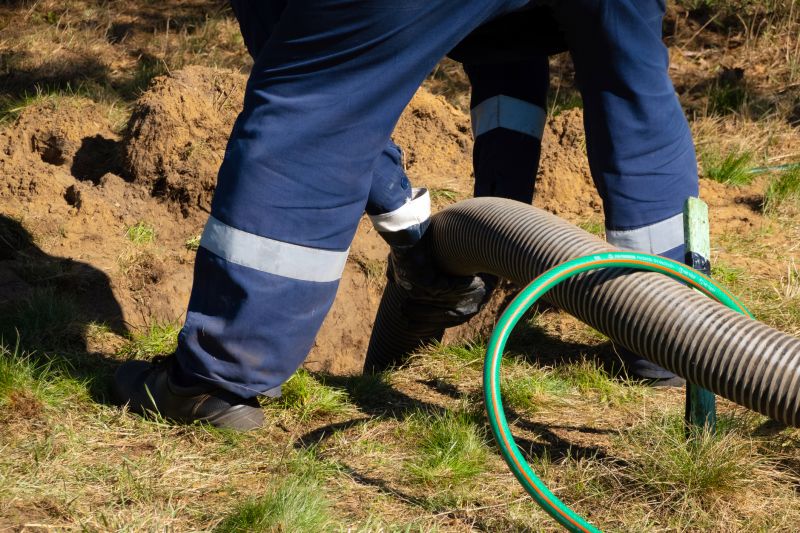
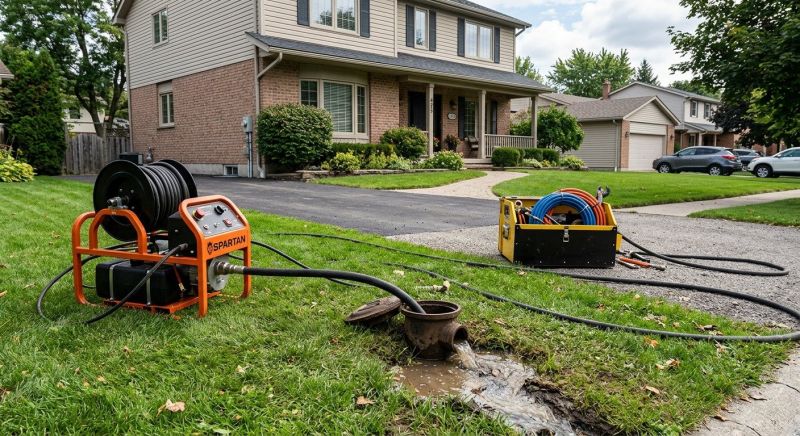
Sewer line cleaning services involve the removal of blockages, buildup, and debris from the main sewer lines that connect a property to the municipal sewer system. This process is essential for maintaining proper drainage and preventing backups or overflows that can cause property damage or health concerns. Projects typically include clearing clogs caused by grease, tree roots, or accumulated waste, as well as inspecting the condition of the sewer lines to identify potential issues before they become major problems.
Homeowners often request sewer line cleaning when experiencing slow drains, foul odors, or frequent backups in sinks, toilets, or floor drains. Before scheduling a service, property owners should understand the layout of their plumbing system, the location of cleanouts, and any history of previous sewer issues. Proper information about the property’s plumbing can help ensure the cleaning process is effective and targeted to address the specific needs of the sewer system.
Many property owners in Kansas City, MO look into Sewer Line Cleaning for repairs, replacements, upgrades, and appearance-related improvements.
Preventing Drain Backups
Regular sewer line cleaning helps prevent clogs and backups in kansas city homes.
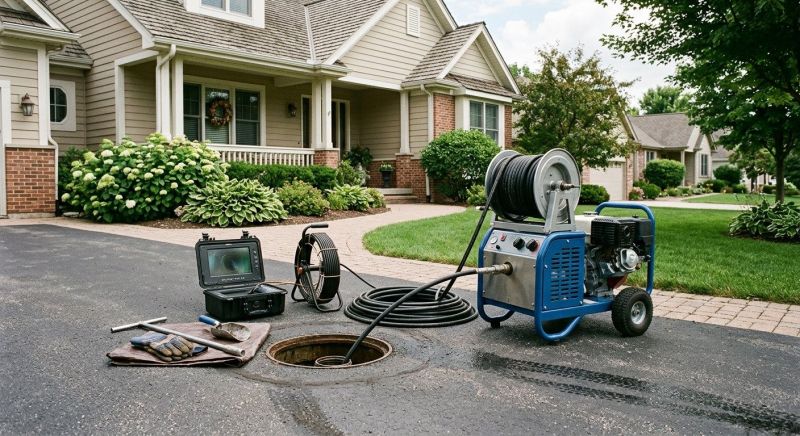
Identifying Hidden Blockages
Professional cleaning can uncover and remove obstructions that cause slow drains and odors.
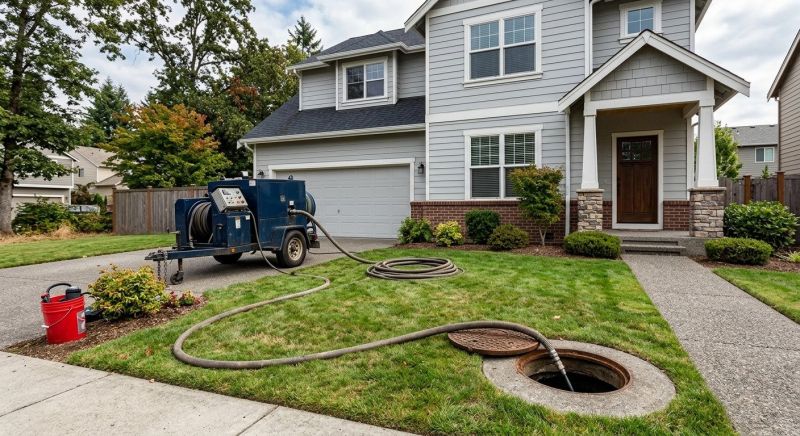
Maintaining Plumbing Efficiency
Keeping sewer lines clear ensures smooth flow and reduces the risk of costly repairs.
Sewer Line Cleaning in Kansas City, MO

Sewer line cleaning services involve the removal of blockages, buildup, and debris from the main sewer lines that connect a property to the municipal sewer system. This process is essential for maintaining proper drainage and preventing backups or overflows that can cause property damage or health concerns. Projects typically include clearing clogs caused by grease, tree roots, or accumulated waste, as well as inspecting the condition of the sewer lines to identify potential issues before they become major problems.
Homeowners often request sewer line cleaning when experiencing slow drains, foul odors, or frequent backups in sinks, toilets, or floor drains. Before scheduling a service, property owners should understand the layout of their plumbing system, the location of cleanouts, and any history of previous sewer issues. Proper information about the property’s plumbing can help ensure the cleaning process is effective and targeted to address the specific needs of the sewer system.
Many property owners in Kansas City, MO look into Sewer Line Cleaning for repairs, replacements, upgrades, and appearance-related improvements.
Common Sewer Line Cleaning Jobs
Residential sewer line cleaning removes buildup and obstructions to prevent backups and slow drains.
Clog removal services address blockages caused by grease, debris, or tree roots in sewer lines.
Main sewer line cleaning clears the primary line to ensure proper waste flow throughout the property.
Drain line cleaning targets individual drain pipes to eliminate clogs in sinks, tubs, and floor drains.
Video inspection services identify the location and cause of sewer line issues for precise cleaning.
Preventative sewer maintenance helps maintain free-flowing lines and reduces the risk of future problems.
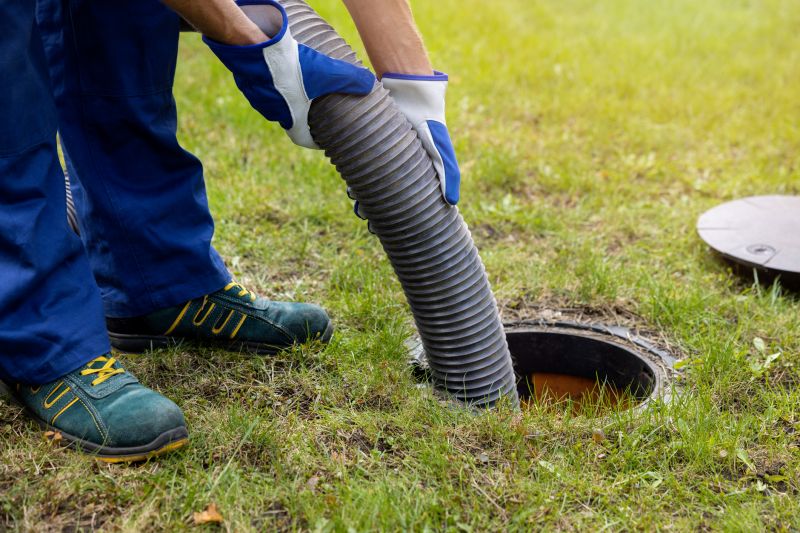
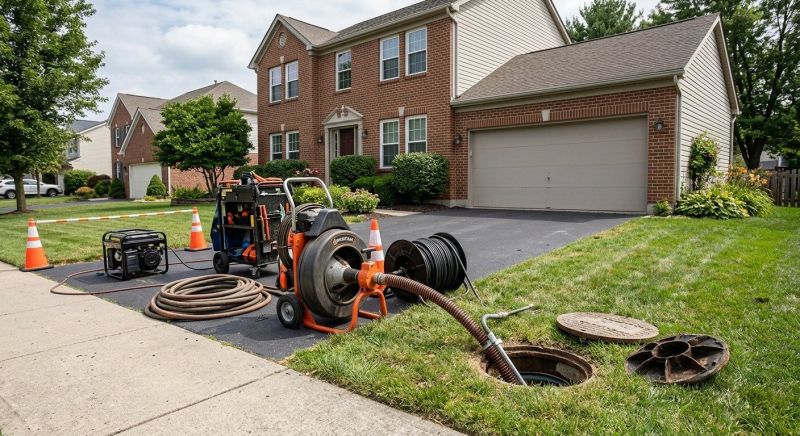
Sewer Line Cleaning Questions
What is sewer line cleaning? Sewer line cleaning involves removing blockages and buildup from underground pipes to ensure proper flow and prevent backups.
When should sewer lines be cleaned? Cleaning is recommended when experiencing slow drains, recurring clogs, or foul odors coming from the plumbing system.
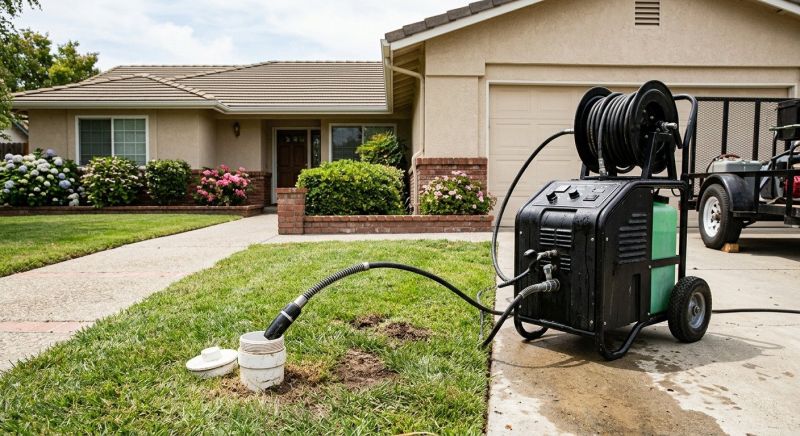
What methods are used for sewer line cleaning? Common methods include hydro jetting, which uses high-pressure water, and snaking to clear obstructions.
Can sewer line cleaning prevent future problems? Yes, regular cleaning helps maintain proper pipe function and can reduce the risk of costly repairs down the line.
Request Sewer Line Cleaning in Kansas City, MO
Use the quote form on this page to share the basics of your project and request more information for the type of work you need.