
Drain Field Replacement in San Antonio, TX
Drain field replacement involves removing and installing a new drain field system to ensure proper wastewater dispersal from a property’s septic system. This service is typically needed when the existing drain field has failed due to soil saturation, clogging, or damage caused by age, improper installation, or excessive use. Projects can range from replacing a small section of the drain field to complete system overhauls, especially on properties where the current system no longer functions effectively or has been compromised by environmental factors.
Property owners considering drain field replacement should understand the importance of proper site assessment and planning before beginning work. It’s useful to know the size and layout of the existing septic system, as well as any local regulations or permits required for installation. Additionally, understanding the signs of drain field failure-such as persistent odors, pooling water, or lush grass over the area-can help determine when replacement might be necessary. Contacting a professional for an evaluation can provide clarity on the scope of work needed to restore the septic system’s performance.
Many property owners in San Antonio, TX look into Drain Field Replacement for repairs, replacements, upgrades, and appearance-related improvements.
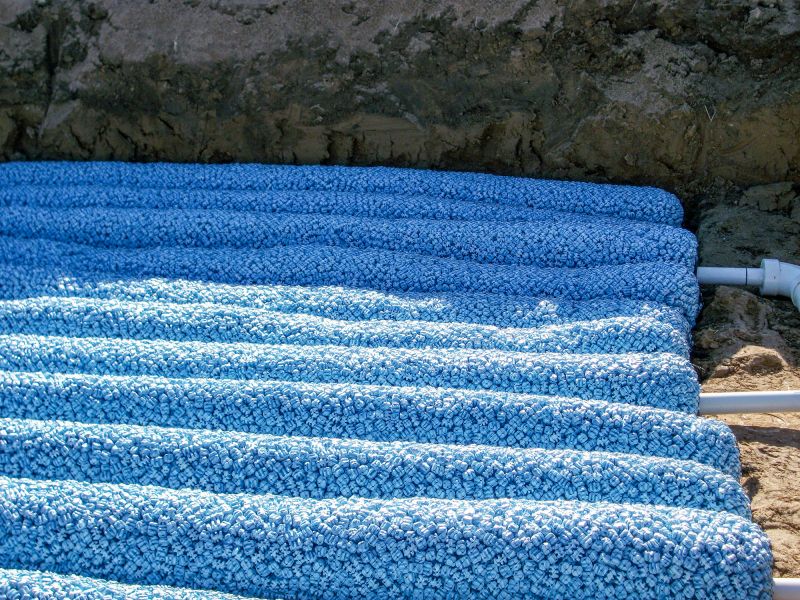
Signs You Need A Drain Field Replacement
Foul odors, standing water, or slow drains may indicate a failing drain field that requires replacement.
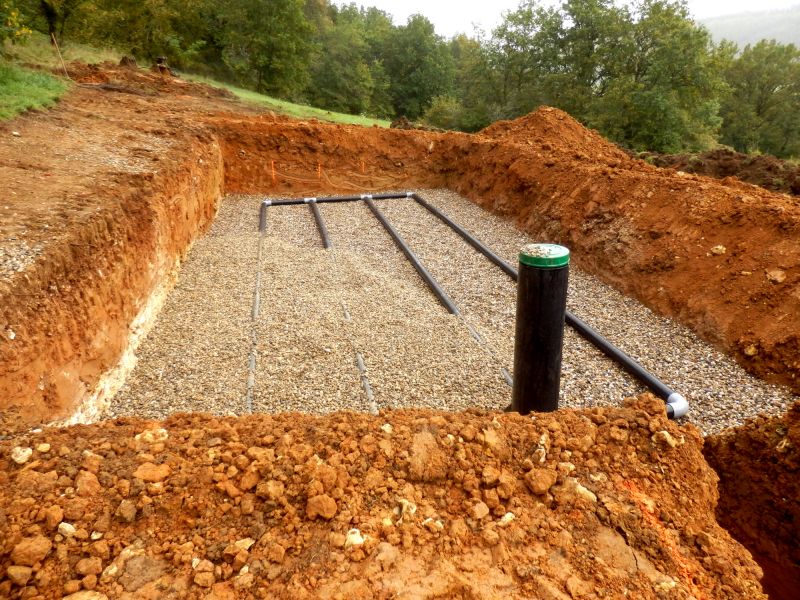
What To Expect During Replacement
The process involves excavating the old drain field and installing a new system tailored to property needs.
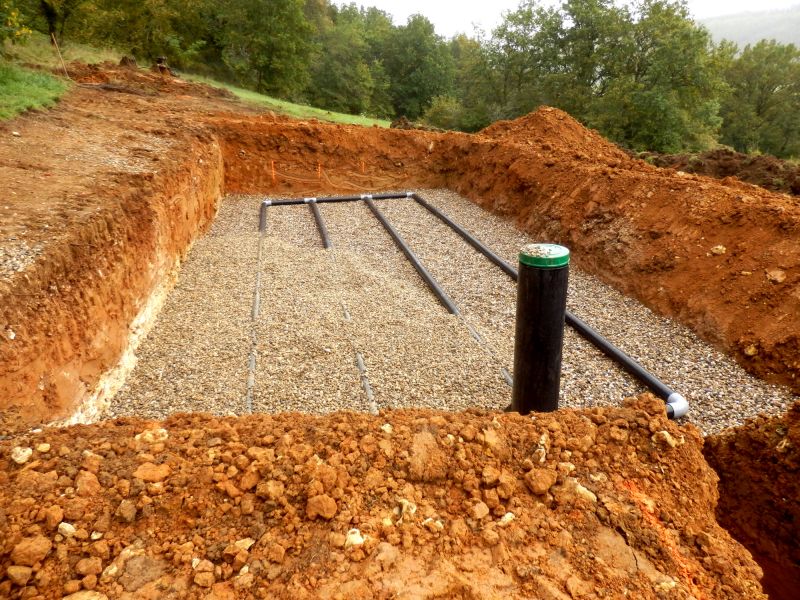
Benefits Of A New Drain Field
A properly replaced drain field can improve wastewater flow and prevent future system failures on your property in san antonio, tx.
Drain Field Replacement in San Antonio, TX

Drain field replacement involves removing and installing a new drain field system to ensure proper wastewater dispersal from a property’s septic system. This service is typically needed when the existing drain field has failed due to soil saturation, clogging, or damage caused by age, improper installation, or excessive use. Projects can range from replacing a small section of the drain field to complete system overhauls, especially on properties where the current system no longer functions effectively or has been compromised by environmental factors.
Property owners considering drain field replacement should understand the importance of proper site assessment and planning before beginning work. It’s useful to know the size and layout of the existing septic system, as well as any local regulations or permits required for installation. Additionally, understanding the signs of drain field failure-such as persistent odors, pooling water, or lush grass over the area-can help determine when replacement might be necessary. Contacting a professional for an evaluation can provide clarity on the scope of work needed to restore the septic system’s performance.
Many property owners in San Antonio, TX look into Drain Field Replacement for repairs, replacements, upgrades, and appearance-related improvements.
Common Drain Field Replacement Jobs
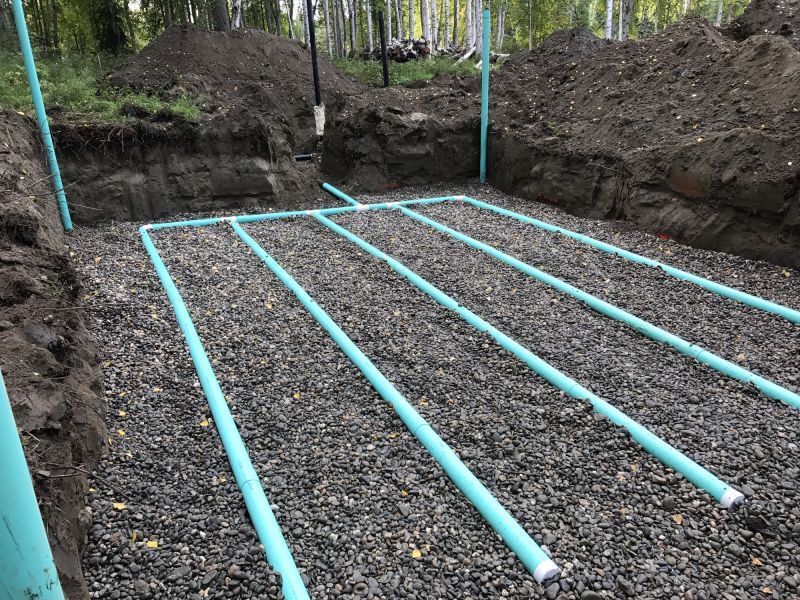
Drain field replacement involves installing a new drain field to ensure proper wastewater dispersal.
Septic drain field repair addresses issues with existing systems to prevent backups and leaks.
Leach field installation creates a new underground area for wastewater to safely filter into the soil.
Drain field troubleshooting identifies causes of failure or inefficiency in existing drain systems.
Soil testing and site assessment determine the best location and design for a new drain field.
Drain field upgrade services improve system capacity and performance for aging or undersized systems.
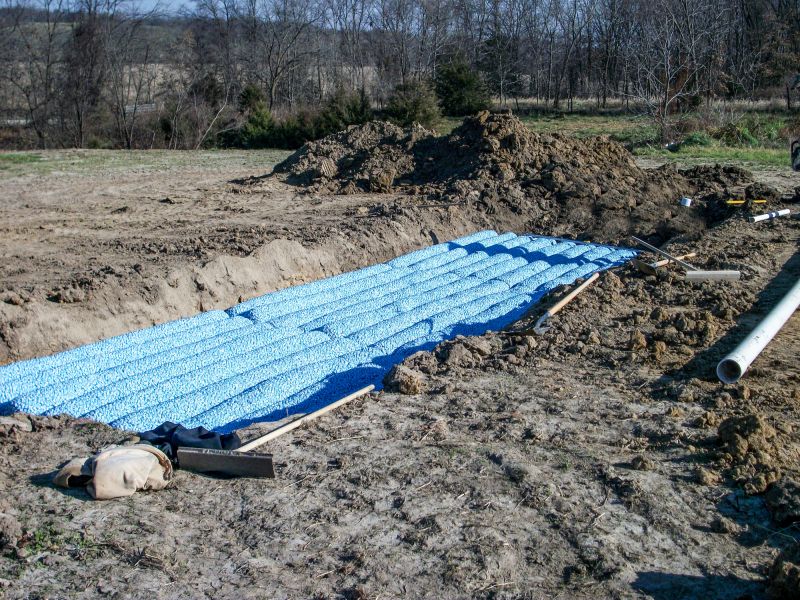

Drain Field Replacement Questions
What is drain field replacement? Drain field replacement involves removing and installing a new drain field system to ensure proper wastewater dispersal from a septic system.
When is drain field replacement needed? Replacement is needed if the existing drain field is failing, showing signs like standing water, foul odors, or slow drainage.
What types of drain fields can be replaced? Common types include gravel, chamber, and mound drain fields, depending on the property’s soil and system requirements.
What should property owners know about the process? Proper site assessment and planning are essential to ensure the new drain field functions effectively and meets local regulations.
Request Drain Field Replacement in San Antonio, TX
Use the quote form on this page to share the basics of your project and request more information for the type of work you need.